
The Ultimate Guide to Sourcing Bulk Food Commodities in the UAE for B2B Buyers
Picture this: You’re a purchasing manager for a food distribution company in Dubai. Your phone buzzes urgently—a key hotel client needs emergency replenishment of premium basmati rice for a high-profile event next week, while your Abu Dhabi retail chain partner wants competitive pricing on non-GMO lentils for a Ramadan promotion. Both demand quality certifications and guaranteed delivery timelines. Sound familiar? This balancing act between speed, compliance, and cost defines B2B food procurement in the UAE’s high-stakes market. As global supply chains grow more complex, finding reliable sourcing solutions for essential commodities becomes not just advantageous but existential for distributors.
The Booming B2B Food Commodity Market in the UAE
With its strategic position bridging Asia, Africa, and Europe, the UAE processes over $150 billion in food trade annually. Dubai’s Jebel Ali Port alone handles nearly 14 million tons of foodstuff cargo each year, transforming the emirate into a primary redistribution hub for the GCC’s massive food import market. Consider this: While the region produces only 20% of its food needs locally, a staggering 80% arrives through UAE ports. This reliance creates immense opportunities but also intricacies around quality verification, customs efficiency, and inventory management. Rapid urbanization and tourism growth (expecting 40 million visitors by 2025) further fuel demand. Unlike spot-buying cultures elsewhere, the Emirates emphasizes long-term partnerships—where importers value transparent suppliers who navigate regulatory labyrinths like ESMA standards or Dubai Municipality health permits.
Navigating Key Product Categories
Success in B2B food sourcing hinges on mastering category-specific dynamics. Let’s break down critical considerations across major commodity groups.
Pulses: From Hummus Base to Health Trends
Generic listings like “yellow lentils” won’t suffice when chefs demand specific cooking characteristics. The Emirates’ affinity for traditional dishes dictates precise needs: chana dal must maintain structural integrity in stews, while Egyptian fava beans require particular soaking properties. Seasonality matters too—monsoon delays in India disrupt pigeon pea supplies by 8–10 weeks, forcing savvy buyers to secure pre-monsoon stocks. As a bulk pulses supplier in Dubai, we’ve seen how Ethiopia’s burgeoning chickpea cultivation offers new diversification options during South Asian shortages. Packaging innovations also emerge, such as vacuum-sealed 25 kg sacks reducing infestation risks.
Rice: Beyond Basmati Frenzy
Though Indian and Pakistani basmati dominate 70% of GCC premium menus, niche varieties are gaining ground. Origin nuances dictate outcomes: Thai Hom Mali’s fragrant jasmine varieties command FXO pricing tiers, while hybrid options like Cambodia’s Phka Rumduol provide budget-friendly alternatives for institutional kitchens. Crucially, navigating B2B rice import to UAE requires understanding Dubai’s pesticide residue testing protocols—especially for shipments rerouted through pesticide-heavy regions. Container transit duration also impacts moisture content; we mitigate risk by assessing vessel routes and using 50 kg PP/HDPE lined sacks.
Sugar: Refined vs. Raw Realities
Sugar’s pricing volatility makes fixed contracts risky without hedging strategies. When Brazilian frosts spiked global prices in 2022, distributors locked into low-margin agreements faced crippling losses. Most UAE buyers now prefer split allocations: Brazilian VHP raw sugar for cost efficiency in bakery production versus EU-sourced refined sucrose crystal optimized for beverage dissolution. Industrial clients prioritize consistent granulation metrics—a factor often overlooked in bulk negotiations. For refined sugar wholesale in Dubai, shifting towards ISO-compliant containers with temperature control during summer prevents clumping issues upon arrival.
Nuts and Legumes: The Private Label Goldmine
Surging demand for healthy snacking transforms GCC supermarket aisles. Private-label macadamias and pistachios see 18% annual growth, but quality traps abound. Aflatoxin levels in Turkish hazelnuts notoriously fluctuate seasonally, while California almonds destined for roasting require moisture testing at loading ports. Though Iranian pistachios offer pricing advantages, US-sanctioned payment channels complicate procurement. As a premium nuts exporter UAE entity, we specialize in overcoming these hurdles through pre-shipment HPLC lab tests and container-level nitrogen flushing.
Spices: Blend Integrity and Authenticity Challenges
Supermarket premium blends sell for $40/kg, but mixing origins—say, Vietnamese cinnamon with Egyptian cumin—can ruin flavor profiling. Several UAE distributors faced customs penalties last year when undisclosed Sudan-origin turmeric contained Sudan G dye contaminants. Tracing each component to estate level proves essential. Automation in grinding facilities creates consistency for industrial buyers, while traditional stone-ground options cater to boutique brands. Clients leveraging spices sourcing and private label partnerships avoid these pitfalls via segregated processing lines and batch-specific documentation.
Coffee Beans: Single-Origin obsession Meets Commercial Reality
Roasters increasingly demand specialty Ethiopian Yirgacheffe green coffee beans, yet struggle with the sector’s fragmented supply chains. One Dubai client received “Grade 1” Guatemalan Antigua beans containing 15% partial blacks—costing $12k in re-export fees. Meteorological factors now shape contracts; Central American bean sizes diminished by drought require revised grading standards. Commercial blends using Vietnamese robusta green coffee beans can significantly target the foodservice sector price point, especially for high-consumption venues.
Ensuring Quality and Compliance
“Trust but verify” isn’t just a saying—it’s mandatory in Middle Eastern markets where standards differ from source countries. Consider Dubai Municipality’s rejection of cumin shipments testing above 0.01 ppm for ethylene oxide compared to India’s 0.1 ppm limit. Savvy importers partner with suppliers operating HACCP/ISO 22000-certified sorting facilities with x-ray inspection systems. One Abu Dhabi distributor saved ₹1.65 Crores when a pre-shipment screening caught ochratoxin-A contamination in red kidney beans. Documentation audits should verify three non-negotiable certificates: fumigation reports, certificate of origin (essential for GCC tariff schemes), and third-party lab analysis. Companies like Grand Mizban embed compliance into workflows by digitally tracking each lot from farm gate to container.
Mastering Logistics and Incoterms
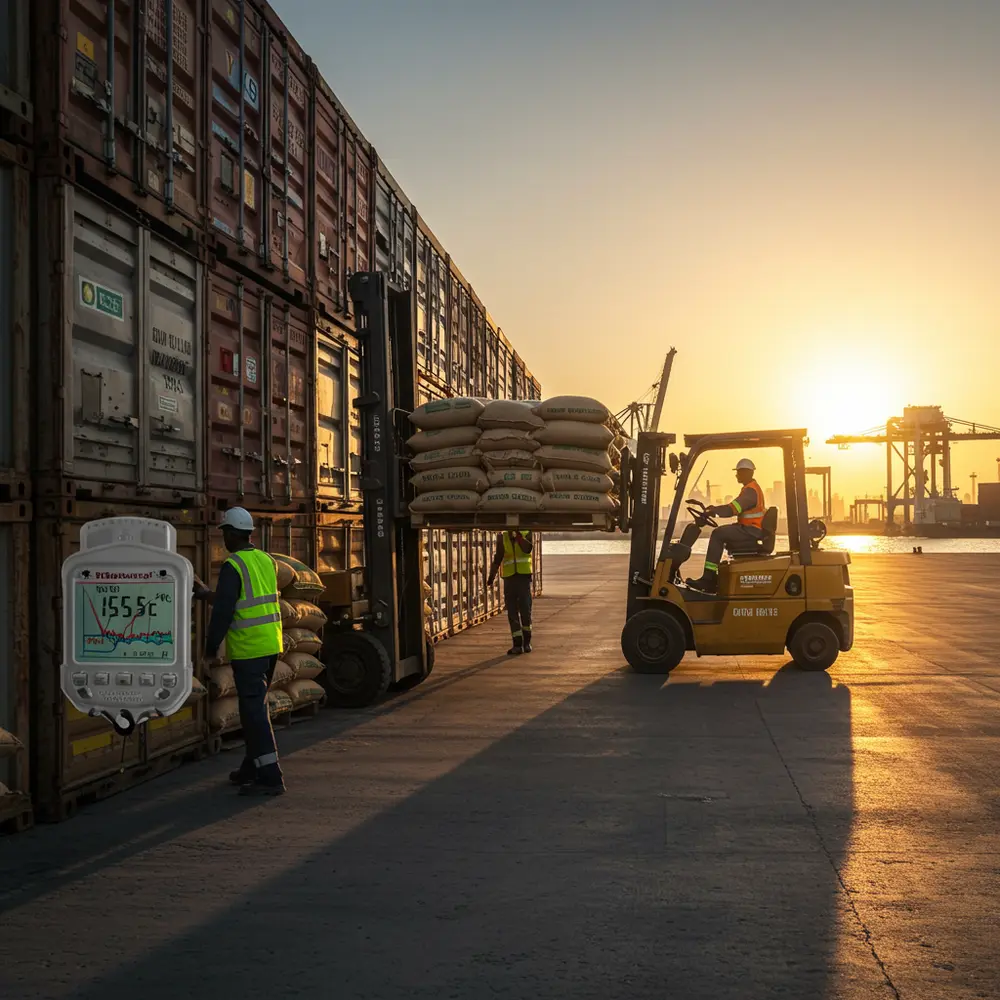
Ever had containers stranded due to unclear liability transfers? That’s where Incoterms become critical. FOB Mumbai works for established importers managing shipping lines directly, while CIF Sharjah appeals to clients wanting cost predictability despite premium fees. Most UAE coffee bean traders prefer EXW terms for Ethiopian lots to control trucking quality to Djibouti ports. The harsh reality: Jebel Ali congestion can add 9–14 days beyond schedule. Lean inventories necessitate precision planning—top distributors maintain buffer stocks for high-turnover items (like sugar and rice) within JAFZA warehouses, insuring against transit delays. Dry container specs (20 ft holds 24 tonnes) must align with UAE axle weight limits to avoid demurrage. Pro tip: Channel partners provide customs pre-clearance documents before vessel docking.
Understanding Pricing and Minimum Order Requirements
Spot buyers frequently overpay during shortages. Yet annual contracts fixed during harvest lows enable 10–15% savings on rice and pulses. MOQs influence viability—below-container-load (LCL) shipments incur 30% higher per-kg costs compared to full 22 MT containers. A Sharjah distributor compromised by ordering 12 MT of Colombian coffee beans via LCL, eroding margins versus competitors ordering full FCL quantities. Pricing specs should isolate quality variables: Kenyan AA green coffee beans priced per screen size and defect count differ from generic “arabica” listings. Bulk pulse contracts often incorporate crop failure clauses with regional substitution allowances. For sustainable margins, structure payments in USD but hedge currency through UAE-based Islamic forwards.
Frequently Asked Questions
How do I verify supplier claims about food certification?
Cross-check certification numbers directly with issuing bodies like SGS or Control Union. For ISO 22000, validate via the Emirates International Accreditation Centre database. Mismanagement is especially common with organic labeling, thus requiring seasonal organic residue test results.
What Incoterms minimize risk when importing to Jebel Ali?
Consider CPT Dubai for newcomers—suppliers handle carriage to UAE, transferring risk upon customs clearance completion. Experienced traders use FOB (which allows controlling freight costs) with freight forwarders pre-authorized by DP World.
How much lead time should be planned for Ramadan-season orders?
Start contracting five to six months before Ramadan. Port congestion peaks as suppliers rush for margins during high-demand periods. New due diligence practices now include verifying vessel schedules pre-booking due to unpredictable delays.
Are there MOQ advantages when combining multiple commodities?
Yes! Grouping non-competing items (like spices and coffee beans) into consolidated containers achieves FCL pricing often requires fewer than 15 MT per SKU. However, ensure proper segregation—robusta green coffee beans absorb odors if shipped alongside cardamom.
How does the UAE’s climate affect storage requirements?
High humidity increases moisture absorption within weeks. Plan warehousing with dehumidification systems (sub-60% RH) ideal for sugar and spice preservation. Bulk nuts require temperature-controlled zones below 18°C to prevent rancidity development.
What documentation is critical for clearing customs at Dubai Airport Freezone?
The trifecta: Original bill of lading plus attestation from the UAE Embassy in the origin country, valid Halal certification from ESMA-accredited bodies, and a phytosanitary certificate mentioning approved fumigation agents.