

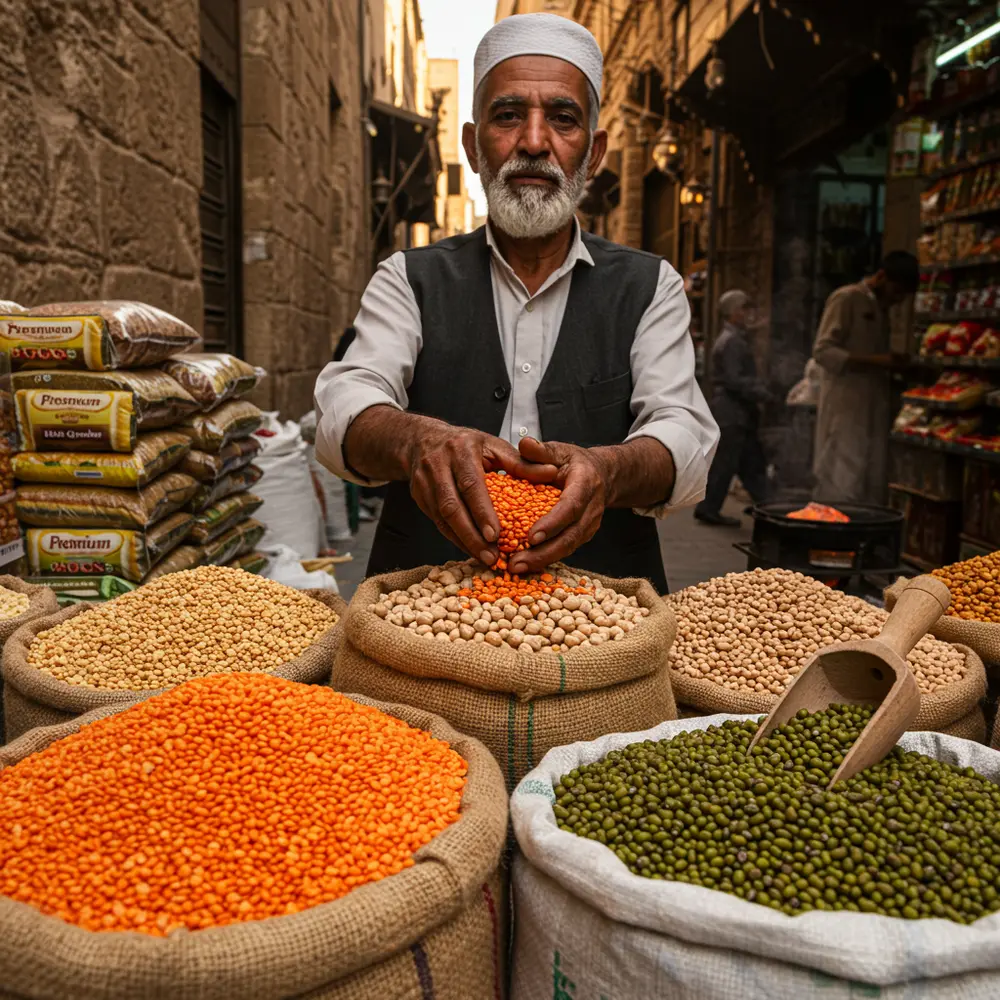
Imagine the aroma of fragrant spices mingling with simmering lentils in a traditional Gulf kitchen, or the satisfying crunch of a falafel made from perfectly ground chickpeas. Across the vibrant nations of the Gulf Cooperation Council (GCC), pulses aren’t just pantry staples; they’re the very bedrock of countless beloved dishes. From the hearty comfort of Majboos to the light bite of a fresh salad, these humble seeds pack a powerful punch of nutrition and flavour. But with an overwhelming variety available and diverse culinary traditions across the region, how do GCC buyers—whether chefs, catering companies, wholesalers, or even discerning home cooks stocking their pantry—identify the true stars? Your quest for the ideal pulse partner is about to get clearer.
The Unshakeable Pulse: Why These Tiny Giants Rule GCC Plates
Let’s be honest, the GCC culinary landscape, with its beautiful blend of Bedouin, Levantine, Indian, Persian, and global influences, is unthinkable without pulses. They provide a vital source of affordable, high-quality plant-based protein, especially important given rising health consciousness. Furthermore, their long shelf life makes them incredibly economical and practical in a region heavily reliant on imports. Fiber-rich, complex carbohydrate-loaded, and often gluten-free, pulses like chickpeas and brown lentils also align perfectly with modern dietary trends. Whether whipping up a quick lentil soup for a family gathering or preparing kabsa for a large celebration, the versatility of pulses makes them indispensable. They absorb flavours brilliantly, hold their texture during cooking, and cater to budget constraints without compromising on the satisfaction factor. Crucially, they feature in countless national favourites – like UAE’s creamy Dango or Saudi’s filling Jarish – solidifying their cultural importance beyond mere nutrition.
Beyond Price Tag: What Gulf Buyers Must Prioritize
Selecting pulses isn’t just about finding the lowest price. Gulf buyers face unique challenges. Storing food in a hot climate demands exceptional quality right from the start to prevent spoilage or insect infestation. The texture and taste profile suitable for a creamy Egyptian hummus might differ vastly from the lentils needed for a firm Indian dal tadka. Origin matters immensely; pulses from specific regions are renowned for their consistency, size, colour, and cooking behaviour. Indian chickpeas often dominate the market, but Ethiopian or Turkish varieties have distinct qualities prized for certain dishes. Calibre uniformity affects cooking time and visual appeal in the final dish, while moisture content is a critical indicator of freshness and longevity. Reputable suppliers provide transparency on origin, grade, and harvest year. A trusted food distributor understands that consistent adherence to halal standards throughout the supply chain is non-negotiable, ensuring peace of mind for all buyers.
The Top Contenders: Pulses That Deserve Prime Shelf Space
Navigating the pulse aisle requires knowing your players. Let’s delve into the heavyweights beloved across GCC kitchens and why they consistently deliver:
Masoor Dal (Red Lentils): Think speed and smoothness. These hulled, split lentils cook incredibly quickly, dissolving into the velvety base essential for Arabian lentil soup (Shorbat Adas) and popular Indian dals. They’re a weeknight lifesaver and provide easily digestible protein. Look for a bright orange-red hue as an indicator of freshness. Their ability to thicken soups and stews without needing pre-soaking makes them incredibly user-friendly, especially in busy GCC hotel kitchens or households wanting a nutritious meal fast.
Kabuli Chana (Large White Chickpeas): The undisputed king of dips and stews. Characterised by their large, creamy beige seeds, Kabuli chickpeas are the prime choice for silky-smooth hummus bi tahini that’s iconic across Levantine tables. They hold their shape beautifully in rich stews, hearty salads like chickpeas online favourites Fattoush additions, and are the essential ingredient for crisp falafel. Their mild flavour acts as a perfect canvas for robust spices. GCC buyers often prioritize size uniformity and a pale, consistent colour to ensure visual appeal in dishes where the whole chickpea is showcased.
Sabut Masoor (Whole Brown Lentils): Where red lentils fall apart, brown lentils stand firm. These small, lens-shaped wonders retain their shape and offer a pleasant, slightly earthy flavour and satisfying bite. This makes them the backbone of definitive dishes like the Saudi comfort food Jarish (cracked wheat and lentil porridge) or Egyptian Koshari layered with rice, pasta, and tangy tomato sauce. They offer a more textured, rustic alternative to red lentils and are packed with fiber and iron. Their robustness holds up well in freezer meals or meal preps.
Desi Chana (Small Brown Chickpeas): Don’t underestimate the smaller cousin! Sometimes called Bengal Gram or Kala Chana, these smaller, darker chickpeas boast a deeper, nuttier flavour and firmer texture than Kabulis. They are the traditional choice for Indian Chana Masala, hold their own robustly in curries across the Arabian Peninsula, and offer a unique twist in salads. Nutritionally dense, they are often considered slightly higher in fibre. Their resilience makes them perfect for dishes requiring prolonged simmering without turning mushy, appealing to GCC buyers seeking authentic flavour and texture in traditional recipes.
Fava Beans (Broad Beans/Foul): A staple of breakfast tables from Egypt (Foul Medames) to Bahrain, fava beans are deeply ingrained in regional cuisine. These large, flat beans offer a distinct flavour and creamy, meaty texture when cooked slowly. Their cultural significance in traditional breakfasts like Foul makes them a must-stock item. Available dried or canned, the dried whole beans require peeling after cooking (though split versions exist), resulting in a unique eating experience. As a source of essential minerals, they provide sustained energy. While the five above dominate, innovation and diverse dietary needs call for wider options: Mung Beans (Moong Dal): Across the GCC, green moong beans are sprouted for nutritious salads or cooked whole in savoury dishes. Split and hulled yellow mung dal cooks to a soft, easily digestible consistency, popular in Indian khichdi (a rice and lentils dish) favoured for its cleansing properties. Their versatility across whole, split, sprouted, and even ground forms makes them valuable. Black Eyed Peas (Lobia): Recognised by their characteristic black spot, these cook relatively quickly and have a distinct, sweet flavour. Popular in Indian preparations and hearty African-inspired stews gaining traction in the region, they offer a pleasant texture and pair well with robust spices and tomatoes. An expert pulses supplier would highlight such diverse beans. Kidney Beans (Rajma): Though classically associated with Indian Rajma Masala, these large, kidney-shaped, deep red beans are increasingly found in salads and Tex-Mex inspired dishes within the region. They require soaking and careful cooking to ensure food safety but deliver a hearty texture. Their vibrant colour adds visual appeal. Green Peas (Matar): Often purchased frozen or dried whole, green peas add sweetness and bursts of colour to pulaos (rice dishes), meat pies, and stews across many GCC kitchens, offering essential vitamins and freshness even when dried. Finding the best pulses is only half the battle; ensuring they stay that way is critical in the demanding Gulf climate. Partnering with a supplier known for impeccable sourcing directly from reputable farming regions ensures you get the freshest crop, minimising pre-purchase storage time and maximising shelf life. Always inspect upon delivery: look for uniform colour and size, freedom from excessive broken pieces, foreign matter, and any signs of moisture or insect damage. A faint, earthy smell is normal; a musty or sour odour signals trouble. Invest in dedicated storage solutions for bulk buyers: robust, food-grade plastic containers with airtight seals are ideal, kept in cool, dark, and well-ventilated pantries away from heat sources and direct sunlight, which can degrade quality. Smaller households should transfer pulses from flimsy packaging into sturdy, sealed jars. Regular stock rotation (First-In, First-Out) prevents older batches languishing at the back. For long-term storage, freezing dried pulses after purchasing can kill any potential insect eggs and extend freshness remarkably. Here, high-quality beans sourced correctly are your foundation. Ultimately, securing the best pulses consistently hinges on your supply partner. Think of them as an extension of your kitchen or business. You need more than a vendor; you need a collaborator who deeply comprehends the nuances of GCC culinary demands. Consistency in quality—batch after batch—is paramount. Does the supplier offer comprehensive product information: clear origin, grade, and harvest date? Do they manage their supply chain proactively to prevent shortages, especially around peak seasons like Ramadan? Do they adhere strictly to international food safety standards and provide necessary halal certifications? Expertise matters; a supplier who can advise on the ideal pulse for a specific culinary application is invaluable. Scalability is key for businesses; the ability to reliably deliver large, uniform orders without compromise. Recognition of quality often comes from trusted names; for instance, Grand Mizban has built a reputation as a premium pulses supplier across the UAE and wider GCC market, focusing on the very qualities buyers demand: freshness, variety, transparency, and unwavering reliability from farm to final dish. The journey from field to GCC table for the humble pulse is remarkable, reflecting centuries of culinary tradition meeting modern demand. The best pulses for your needs—whether the swift convenience of red lentils, the creamy dominance of Kabuli chickpeas, the wholesome bite of brown lentils, the robust flavour of Desi chana, or the cultural essential fava beans—depend on marrying intelligent sourcing with impeccable quality assurance. By understanding the unique requirements of GCC cuisine and meticulously evaluating factors like origin, appearance, and intended use, buyers can consistently elevate their offerings. Critically, partnering with a dedicated, knowledgeable supplier ensures this vital ingredient never lets you down. So, the next time you savour a delectable pulse-based dish, appreciate the journey and choose your partners as wisely as your pulses, ensuring every meal celebrates the best these nutritional powerhouses have to offer.Honourable Mentions: Expanding the Pulse Horizon
Sealing in Goodness: Sourcing and Storing for Peak Performance
Your Partner on the Plate: Why Reliability Defines Quality
Choosing Wisely for Culinary Success