
The Aromatic Allure: Navigating Spices Sourcing UAE
Imagine walking through Dubai’s Deira Spice Souk—the air thick with the intoxicating scent of cardamom, cumin, and saffron—each stall a kaleidoscope of colors and cultures. Spices aren’t just ingredients here; they’re the soul of Emirati hospitality, the silent narrators of centuries-old trade routes, and the unspoken heroes in every celebrated dish from Machboos to Luqaimat. Yet, behind every gram of flavor lies a complex journey. How do these aromatic treasures traverse continents to reach UAE kitchens? What makes sourcing spices in this cosmopolitan hub uniquely challenging yet incredibly rewarding? Let’s delve into the intricate world of spices sourcing UAE, where ancient traditions meet hyper-modern logistics, and discover how businesses and consumers can savor both quality and conscience in every grain.
The Spice Route Reimagined: UAE’s Legacy and Evolution
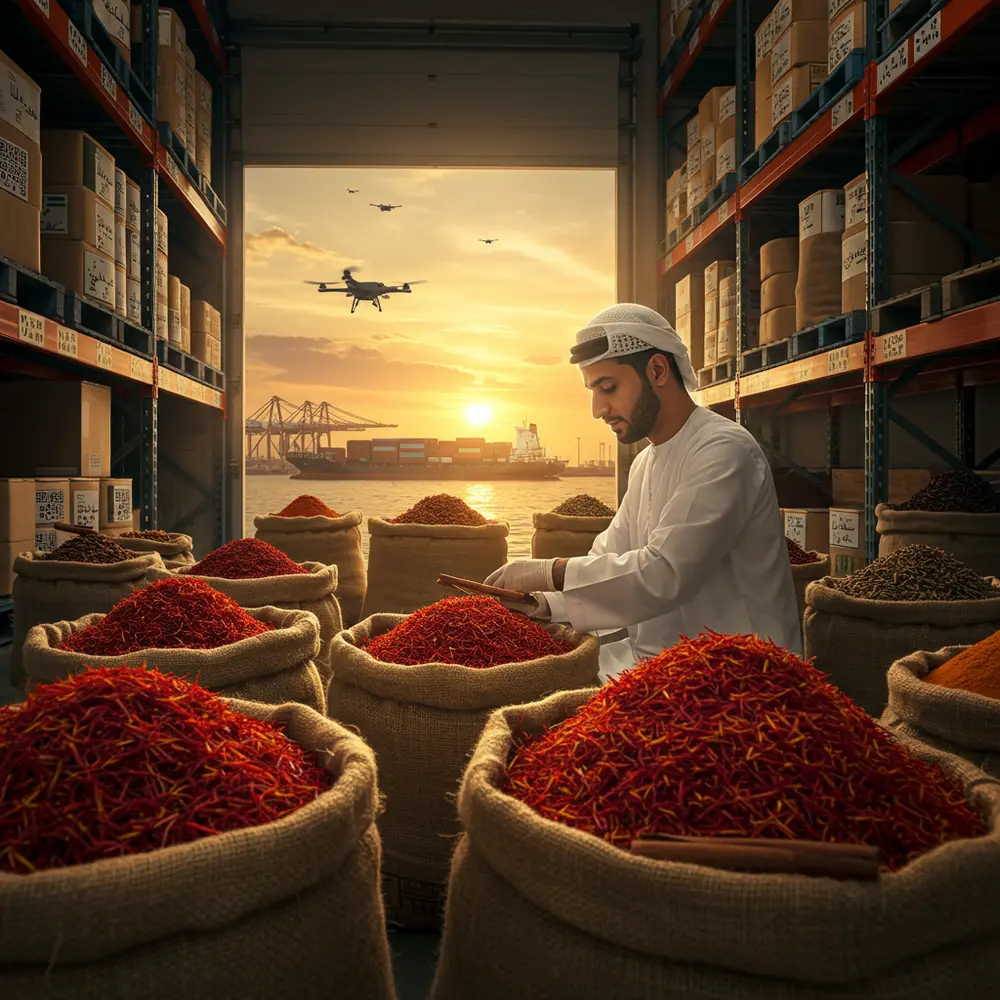
For millennia, the UAE’s coastal ports served as vital arteries of the global spice trade, linking Indian Malabar coast harvests to Mesopotamian markets and beyond. Dhows laden with peppercorns and cinnamon navigated the Arabian Gulf long before modern megaships. Today, that legacy thrives exponentially. The UAE’s strategic position between spice giants like India, Sri Lanka, and Iran, coupled with world-class ports and free zones, has transformed it into a global redistribution epicenter. Dubai alone handles over 20% of global spice trade volumes, facilitating over 300 spice varieties annually. Yet, this geographical advantage is just the starting point. Modern UAE spices sourcing networks demand agility—think temperature-controlled logistics for leafy coriander and shielding delicate herbs from the punishing desert heat. What once took months on monsoon winds now unfolds with calculated precision: spices scanned at Jebel Ali port upon sunrise could reach Sharjah shops by dusk. This fusion of heritage and innovation defines the nation’s spice ecosystem.
The Quality Crucible: Sifting Myths from Reality
Let’s be honest—not every saffron thread sold as “premium” earns that title. Quality complications plague spices sourcing UAE, from fillers bulking up powders to synthetic dyes mimicking turmeric’s golden hue. Consider moisture: A 2023 Gulf food safety study found that spices stored in high UAE humidity suffer mold risks 43% faster than in temperate climates. Regionally compatible packaging becomes non-negotiable. Authenticity verifications also pose hurdles—did that rosemary originate from Moroccan fields or a repackaged warehouse nearby? Diligent suppliers combat these risks through methodical testing. For instance, heavy metal screenings at Dubai Central Laboratory or AI-powered optical sorters detecting extraneous matter. Import documentation scrutiny checks the chain: farm certificates, irradiation compliance reports, and phytosanitary permits act as passports for genuine products. Here, partnering with accredited providers minimizes counterfeits camouflaged among containers.
Sourcing with Soul: Ethics Amidst the Aromatics
Beyond quality lies responsibility. How many hands nurtured this cumin before yours? The UAE’s affluent consumer base increasingly demands ethical answers. Child labor in source farms, unsustainable harvesting depleting soil nutrients, and plastic-heavy packaging conflict with Emirati sustainability visions like the UAE Net Zero 2050 initiative. Visionary distributors now embed traceability tech: QR codes on packaging reveal farm coordinates or carbon footprints. Others champion fair partnerships—contracting family-run Mexican vanilla estates or Sri Lankan cinnamon peelers at 40% above commodity rates. This isn’t charity; it’s brand resilience. Studies show 68% of GCC consumers prioritize ethically sourced spices when available. When sourcing spices UAE, ethical layers—environmental, social, economic—transform transactions into legacy-building collaborations.
Grand Mizban: Your Ally in Reliable Sourcing
Amidst labyrinthine choices, experienced partners turn headaches into competitive edges. Consider premium spice supplier in UAE Grand Mizban, whose decade-spanning expertise aligns with UAE’s sensibilities. They navigate regulatory seas—NRCC approval protocols, Emirates Authority camper stickers—while streamlining incomparable convenience like consolidated Dubai Airport customs clearance. Need organic certifications? Benefit from reduced fumigation hurdles via FTA treaties. Established distributors like Grand Mizban strategically source globally—Iranian saffron for potency, sun-dried Mexican chillies for smokiness—while controlling authenticity through bonded warehouses at UAE spice distributor hubs. Such curated supply rails verify quality long before spices enter Emirati kitchens.
The Algorithmic Pantry: Digital Sourcing Solutions
Gone are days of haggling solely in crowded souks. E-commerce platforms and B2B portals now dominate spices sourcing UAE. Mobile apps allow chefs to price-compare Malabar black pepper across suppliers in seconds or subscribe to AI-predicted inventory alerts when ginger shortages loom. Smart warehousing leverages IoT sensors monitoring real-time humidity, triggering automated dehumidifiers if levels spike during sustainable spice sourcing storage. Fintech integrations simplify multi-currency transactions while blockchain maps Ethiopian cardamom pods from Wereda cooperatives to Abu Dhabi supermarket shelves with immutable integrity. For small bakeries needing single-origin nutmeg, dropshipping services bypass traditional bulk constraints. However, cybersecurity remains critical with high-value goods. Unsurprisingly, hybrid models thrive—sampling spices physically at specialty stores like those exploiting authentic UAE spices while placing bulk repeats digitally.
Culture Capsules: Zeitgeist Spices Defining Demand
Demand curves shift as UAE’s demographic mosaic expands. Korean gochugaru orders spiked 110% last year as K-cuisine penetrated Dubai, while vegan alternatives like smoked paprika replace meat-centric seasoning once dominant. National initiatives like “Make it in the Emirates” also spurred local production experiments—Qatar-based saffron hydroponic farms inspired vertical oases cultivating mint near Al Ain. Health-conscious adaptation reshapes procurement priorities too; requests for non-irradiated botanicals underscore fears over nutrient loss. Even nostalgia seeps in—elder Emiratis requesting forgotten desert herbs like Qurs or Sakk enhances interest in bioprospecting partnerships with desert conservancies. To stay ahead, smart sourcing anticipates cultural evolutions rather than reacting to them weeks later—or worse, months after containers sail.
Conclusion: Blending Heritage with Tomorrow
Spices sourcing UAE is an alchemy of history-transmitting heritage through scent and safeguarding tomorrow’s sustainability assurances. As advances trace pepper’s carbon mileage across oceanic routes while preserving ancient Damascene rose water techniques, this dynamic nexus defines what globalized food should embody—respectful, resilient, and relentlessly flavorful. Whether you’re a five-star hotel chef demanding bulk spice sourcing UAE convenience or a home cook seeking responsibly foraged Iranian mountain mint for that perfect Shorbat Adas embrace the process fully—the selection choices ripple impact farm families abroad and national standards here.