
Essential Wholesale Food Imports in Dubai: Key Sourcing Strategies for B2B Buyers
Picture this: You’re overseeing procurement for a multinational supermarket chain, and sales projections indicate a 30% surge in demand for basmati rice during Ramadan. Or perhaps you manage supplies for a premium restaurant group scrambling to source consistent quality Tellicherry peppercorns as global spice supply chains tighten. Across the bustling GCC, B2B buyers face similar challenges daily while navigating Dubai’s complex import landscape. With the UAE importing over 90% of its food and Dubai positioned as the region’s definitive re-export hub, mastering strategic sourcing isn’t just advantageous—it’s business-critical for profitability and resilience.
Market Overview: Dubai’s Strategic Role in Global Food Trade
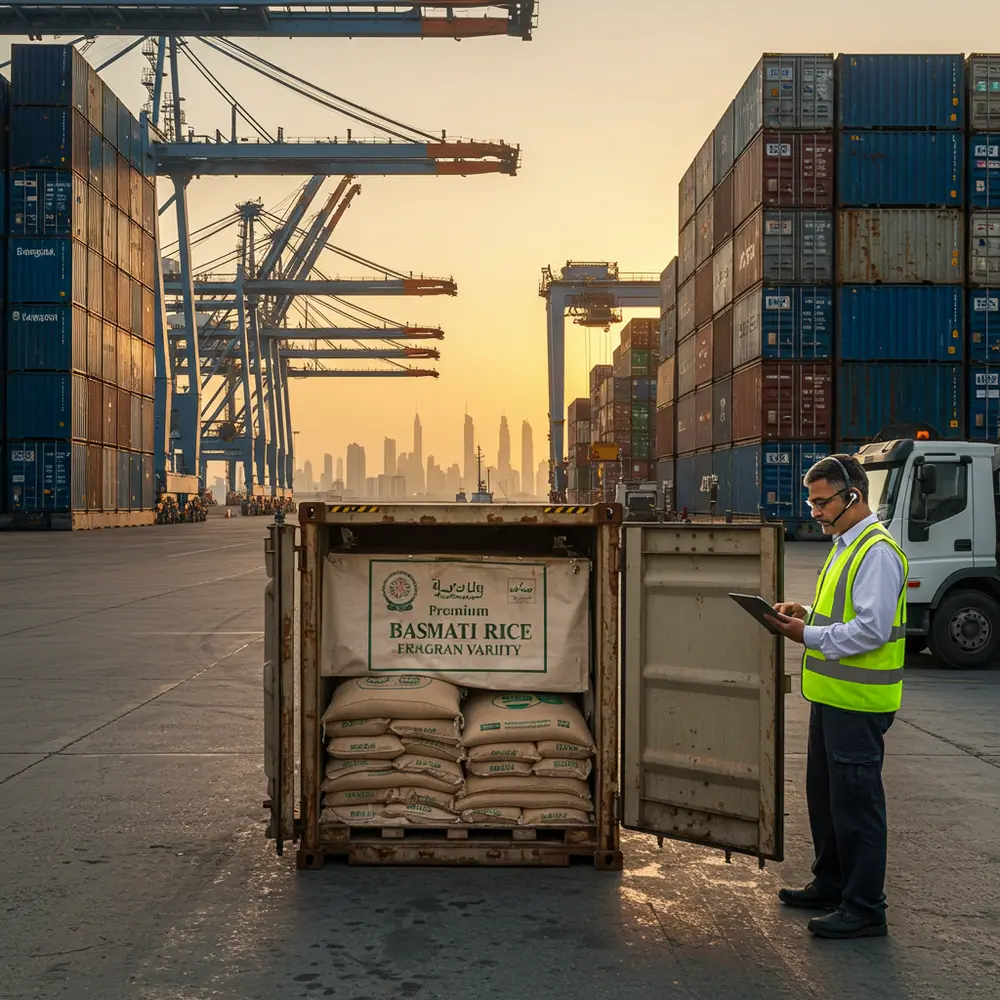
Dubai’s geographic position creates a remarkable convergence point: east meets west, with Africa just southward. This isn’t mere geography; it’s commercial superpower. Major trade arteries flow through Jebel Ali Port, consistently ranked among the top ten container ports worldwide, facilitating streamlined B2B rice import to UAE markets from Pakistan, India, or Thailand. Consider this tangible example: A 40-foot container carrying premium Thai jasmine rice can land at Jebel Ali, clear customs under the GCC Common Customs Law within 72 hours, undergo mandatory lab testing for aflatoxins and heavy metals, and reach a Dubai distributor’s warehouse in under five working days. That efficiency explains why Dubai handled over 21 million metric tons of foodstuff in 2022 alone.
Beyond infrastructure, regulatory frameworks make Dubai unique. Free zones like DMCC (Dubai Multi Commodities Centre) eliminate import duties and offer 100% ownership for international traders. Simultaneously, commodities imported into the mainland adhere to Emirates Authority for Standardization & Metrology (ESMA) certifications and GCC Standardization Organization (GSO) technical regulations. Navigating these dual tracks requires expertise—something savvy buyers partner with established suppliers to manage. Let’s be honest: Underestimating compliance delays or storage protocols can tank margins faster than volatile freight rates.
Product Categories Spotlight: Strategic Sourcing by Commodity
Pulses: Essential Proteins in High Demand
Lentils, chickpeas, and beans form dietary staples across the culturally diverse GCC, making stable pulse sourcing non-negotiable. But consistency varies wildly. Turkish red lentils differ in texture from Canadian Green Mors, while Australian lentil yields fluctuate with drought cycles. Strategic importers prioritize multi-origin flexibility. Partnering with a reliable bulk pulses supplier in Dubai mitigates single-country supply risks. Crucially, moisture control matters: Hollowtek breathable packaging in 25kg sacks prevents mold during humid UAE storage seasons, avoiding costly rejections. Seasonal planning also applies: Indian yellow peas destined for Ramadan dishes must arrive 4-5 months pre-festival to account for milling and QA processes.
Rice: The Grain That Feeds Nations
Basmati vs. Japonica? Pakistani 1121 vs. Indian Pusa? For HoReCa clients and retailers, these distinctions impact menus and customer loyalty. Consider the economics: On-time arrival of specialty rice varieties like Kokuho Rose impacts profitability. A delayed container could force substitution with generic alternatives, risking branded product integrity. Seasonality also plays a vital role. Thai Hom Mali harvest peaks late November; Indian basmati is optimal October-December. Procuring stocks proactively via an experienced importer keeps shelves full despite monsoon-driven shipping delays.
Sugar: Balancing Sweet Deals with Strict Compliance
White refined sugar cubes for upscale cafés differ technically from bulk ICUMSA 45 liquid sugar for manufacturers. Each requires distinct sourcing paths: Brazilian raw sugar becomes refined locally at Al Khaleej Sugar (world’s largest port-based refinery), while European beet sugar enters pre-packed under GCC Food Additives Regulation. Partnering with a refined sugar provider isn’t just about volume—it’s regulatory navigation. For example, a refined sugar wholesale in Dubai adept in EU and Gulf Cooperation Council COAs (Certificates of Analysis) prevents border rejections over trace mineral variances invisible to untrained eyes.
Tree Nuts & Dried Fruits: Premium, Perishable, and Profitable
Almonds from California, Iranian pistachios, Turkish apricots—these high-value items command premium pricing but face fierce margin erosion from poor handling. Ever wondered why roasted cashews sometimes arrive rancid? Suboptimal vacuum-sealing and temperature abuse during transit degrade oils. Top-tier partners manage this via reefer container protocols and pre-shipment Aw (water activity) testing. Working with a premium nuts exporter UAE trained in HACCP and ISO 22000 protocols ensures your private-label mixed nuts retain crunch and certification compliance en route to Riyadh gourmet stores.
Spices & Coffee: Where Origin Defines Excellence
A single-origin Ethiopian Yirgacheffe green coffee bean versus Brazilian Santos carries profound flavor implications. Similarly, Vietnamese cinnamon bark oil content varies markedly from Indonesian varieties. Knowing these nuances protects your investment. Forward-thinking buyers leverage partners who verify geographical origin certifications and conduct spot-checks for common adulterants (think Sudan dye in chili powder). The rise of spices sourcing and private label solutions in this sector empowers retailers to build distinctive brands without direct origin farming—a major operational win. Think about it: Can your HoReCa clients discern Tellicherry pepper? Their patrons absolutely can.
Quality & Compliance: Your Risk Mitigation Insurance
Moisture-damaged rice or aflatoxin-contaminated peanuts don’t just mean rejected stock—they trigger reputation damage and regulatory penalties under UAE Cabinet Resolution No. 10 of 2021. Hence, stringent quality gatekeeping defines serious suppliers. Effective quality systems include:
Third-party laboratory testing for microbiological, chemical, and physical hazards using ISO/IEC 17025 accredited labs.
Supplier audits verifying Good Manufacturing Practices at origin mills or processing plants.
Traceability systems documenting farm-to-shipment lot codes for recalls or targeted verifications.
Imagine discovering mold in rice containers mid-voyage via IoT humidity sensors. Real-time alerts allow redirecting shipments to drying facilities before customs inspection failures compound losses. That’s proactive QA.
Logistics, Sourcing & INCOTERMS: The Unseen Margin-Killers
Forgive the bluntness, but FOB misunderstandings sink deals weekly. Picture negotiating an Egyptian orange deal at $550/MT FOB Alexandria. Seems straightforward—until buyers realize they bear all freight, insurance, and demurrage risks beyond the vessel’s rail. Contrast that with CIF Jebel Ali, where sellers cover costs until port discharge. Strategic buyers select partners fluent in INCOTERMS 2020 nuances, analyzing risk allocation scenarios per commodity. For highly volatile items like green coffee beans, DES (Delivered Ex Ship) terms may justify higher unit costs if they transfer shrinkage liability until Dubai quayside.
Beyond paperwork, physical logistics cost-engineer profitability. Consolidating mixed containers (e.g., Tanzanian coffee beans containerized with Filipino turmeric blocks) optimizes shipping costs by 15-25%. But coordination complexity demands 4PL partners managing multimodal document flows seamlessly across sea-air corridors—a Grand Mizban speciality honed since 2003.
Pricing, Minimum Order Quantities & Strategic Stocking
MOQs exist for operational reasons—not gatekeeping. Securing container-load pricing (typically 25 MT for rice, 27 MT for sugar in pallets) cuts per-unit landed costs by ~12% versus LCL (Less than Container Load) rates. However, stocking 500 metric tonnes of Brazilian raw sugar demands capital and warehousing agility. Solutions? Hybrid inventory models use pre-positioned rolling stock in JAFZA bonded warehouses for immediate dispatch while running seasonal top-ups via sea freight on CIF terms. This blends cost efficiency with just-in-time delivery reliability for hypermarkets launching promotions.
Another consideration: Payment terms. Letters of Credit remain prevalent in commodity trades, but D/P (Documents Against Payment) arrangements align better for trusted partners requiring faster turnaround. On the other hand, fluctuating USD exchange rates necessitate forward-cover hedging clauses in contracts exceeding 90 days—often overlooked in initial negotiations.
FAQs: Navigating the Wholesale Import Maze
What are typical certifications needed for food imports into Dubai?
Mandatory certifications include: Certificate of Conformity (CoC) from ESMA/GSO, Halal Certification (for applicable items), and Phytosanitary Certificates from origin nations. Additional voluntary standards like BRCGS, ISO 22000, or FSSC 22000 build buyer trust and ease retailer onboarding.
How can importers manage fluctuating global commodity prices?
Strategies range from quarterly fixed-price contracts with volume bands to index-linked pricing pegged against benchmark indices (e.g., Sugar No.11 futures). Hedging through derivative instruments and diversifying supplier origins also buffer volatility impacts effectively.
What are common pitfalls in GCC customs clearance for food items?
Top issues include incomplete/mismatched commercial invoices, non-compliant labeling in Arabic or English, incorrect HS codes triggering duty reassessments, and lab test discrepancies. Automated customs brokerage integration minimizes such delays.
Can suppliers assist with private-label packaging requirements?
Yes. Leading suppliers offer end-to-end solutions: sourcing raw materials, processing/milling, tailor-made packaging in 1kg retail packs or 25kg Horeca bags, and documentation for UAE market approvals. This turnkey model accelerates time-to-market.
How critical is supplier financial stability?
Critically vital. Commodity trade relies heavily on cash flows letters of credit performance guarantees. Financially robust partners ensure order fulfillment continuity even amid supply shocks—something smaller intermediaries struggle to guarantee. Always request audited financials when establishing new high-volume partnerships.
What is the average delivery timeline from order placement to UAE warehouse?
Timelines vary by origin and transport mode. Sea freight from South Asia takes 10-15 days (plus 3-5 days for customs clearance). Shipments from South America or Africa average 30-40 days. Airfreight of premium goods (e.g., specialty coffee beans or saffron) reduces transit to 2-4 days but increases costs 5-7x. Buffer at least 25% extra time during peak seasons like Chinese New Year or Ramadan.